
Aluminium is one of the best materials for specialist window designs. Standard casement windows, tilt and turn windows and fixed glazing cover most homes. But some projects need something different. Larger openings. Unusual ventilation or fire and smoke control. Safer openings in commercial buildings. Feature glazing. Specialist access. Or a window design that forms part of the architecture rather than simply filling a hole in the wall.
This is where pivot opening windows, parallel opening, reversible, guillotine and other specialist aluminium windows come in.
These are not usually the first windows homeowners ask for. They are also not the products most general replacement window companies offer every day. But they can be very useful in the right property, especially on contemporary homes, apartments, commercial buildings, schools, offices, high-level glazing and architectural projects.
This guide explains the main specialist aluminium window types, where they are used and what to consider before ordering.
What are specialist aluminium windows?
Specialist aluminium windows are windows with opening methods or design features outside the usual side-hung, top-hung, fixed or tilt and turn formats.
The common thread is that these products usually need more thought than a standard casement window.
The system, hardware, glass weight, safety, ventilation, access, controls and installation all matter.
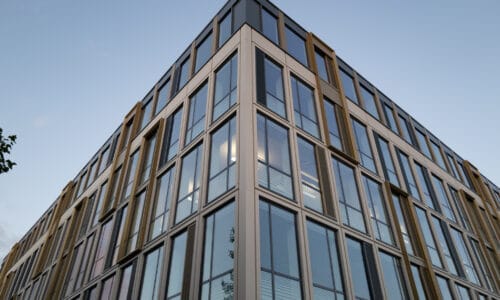
They can include:
- Horizontal and vertical pivot windows
- Parallel opening windows
- Fully reversible windows
- Guillotine windows
- Larger format sliding windows
- Specialist ventilation windows
- Automatic opening windows
- Anti-ligature windows
- Smoke ventilation windows
- Windows designed for curtain walling or façades
The common thread is that these products usually need more thought than a standard casement window. Whilst normally used in commercial buildings, some specialist window can have a place in the home such as the European Guillotine windows, automatic opening windows where access is hard for for disabled people. Anti-ligature windows provide safety in prisons and secure facilities. Fire rated, bomb and blast resistant windows and doors are also available.
Why aluminium is used for specialist windows
Aluminium suits specialist windows because it is strong, stable and highly adaptable. It can accommodate larger glass sizes, more complex hardware and unusual opening methods better than many other materials. It also works well with commercial glazing systems, curtain walling, large screens and architectural façades.
That does not mean all specialist products should be aluminium windows. Some designs use a combination of aluminium or steel, or steel-clad aluminium.
Horizontal and Vertical Pivot Opening Windows
Pivot windows rotate around a horizontal or vertical axis. This means the sash pivots either from the centre or an offset position, with part of the window moving inwards and part moving outwards as it opens. They are used used where a larger opening sash is required, or where a conventional top-hung or side-hung window is not the best option.
Horizontal pivot windows can provide good ventilation and can also make cleaning of the outside panel of glass easier, depending on the design.
They are more commonly found in commercial buildings, schools, offices, apartment buildings and specialist architectural projects.

For homeowners, they can be useful where you want something different from a regular casement window, but they need careful consideration. Curtains, blinds, window boards, opening arcs and safety restrictors all matter. The larger the sash, the more important the hardware, glass weight and safety design become.
Pivot windows do need more thought than standard opening windows and they are typically governed by maximum weight, safety concerns at high level, restricted openings (fixed or overridable version) and whether the opening arc affects access areas such as walkways. A pivot window is often chosen for design reasons.
Top Swing Reversible Windows
Top Swing Reversible windows are another ingenious way to create a top hung casement window, but with the facility to turn the entire window so the outside pane faces inwards.
It is another great solution for cleaning the outside pane of glass in high level buildings. Aluk, Smart Systems, Reynaers, Schüco and Alumil all have versions of these windows
The hinges look like regular friction hinges, but releasing them past their normal point allows you to rotate the window completely.

Parallel Opening Windows
Parallel opening windows are one of the most useful specialist aluminium window types, but they are rarely discussed with homeowners.
Instead of opening from one side or the top, the whole sash moves outwards evenly on all four sides. This creates a ventilation gap around the window while the sash remains parallel with the frame. The result is balanced airflow, often with a cleaner external appearance than a conventional opening vent.
Parallel opening windows are commonly used in commercial buildings, schools, offices, high-rise buildings and curtain wall façades. They are particularly useful where natural ventilation is required but a projecting casement window may not be suitable.
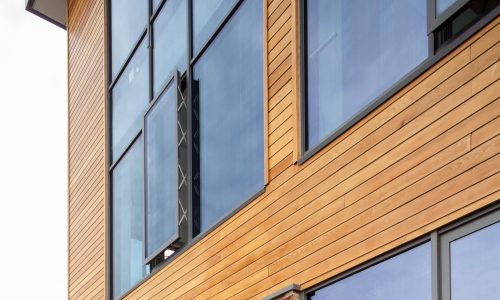
Smart Systems Alitherm 700 is a popular brand of parallel opening windows. Where you want ventilation with a restricted opening or for high level windows where casements or fully opening are not safe, they provide ideal airflow and a restricted opening. They can either be fitted as standalone windows or combined with doors. Alitherm 700 alongside other brands are also used as opening windows in curtain wall façades, in low and high-rise commercial buildings, as well as replacement and new-build projects.
Guillotine windows
Guillotine windows are dramatically oversized vertically sliding windows where large glass panels move upwards, downwards or past each other. They are very different from traditional domestic sliding sash windows.
A conventional sash window is normally a smaller window with two sliding sashes. A guillotine window is more architectural. It can be used to create large vertical openings, serving windows, indoor-outdoor connections or dramatic glass features.
This type of product is usually used on high-end architectural projects rather than standard replacement windows.

Specialist systems such as the Alumil Guillotine, Vitrocsa Guillotine and other specialist systems use large vertical sliding glass panels that can open upwards or downwards, with the system designed for expansive floor-to-ceiling openings. In Europe these are used in homes but are also popular in cafes bars and restaurants as serving areas for the public outside, in pool rooms, garden rooms and commercial hospitality settings.
The glass weight, counterbalancing, safety, automation, drainage, weathering and installation all need proper design.
More information on pivot and specialist aluminium windows
Pivot and specialist aluminium windows show just how flexible aluminium glazing can be. From parallel opening vents in curtain walling to dramatic guillotine windows and large pivoting glass panels, these products can solve problems that standard windows cannot. However, they need proper specification, correct installation and realistic advice from companies that understand them.
If you are considering specialist aluminium windows and would like impartial advice, get in touch. We can usually explain which opening type may suit your project, what to check and whether a simpler product may do the job just as well.
Our advice is free, impartial and independent.