
Tilt and turn windows have been popular for decades across Europe and Scandinavia, but in the last few years have become more popular in the UK. Outward opening casement windows are familiar, widely available and suit the way most British homes have been designed for generations.
Tilt and turn windows are different. They open inwards, they ventilate differently, and they use more sophisticated hardware. For some homes, that makes them a far better option than a standard casement window.
As aluminium windows become slimmer, stronger and more popular in contemporary homes, tilt and turn designs are becoming more relevant. They work well with larger panes of glass, cleaner elevations, apartments, upper floors and modern homes where outward-opening windows are not always the best solution. This guide explains how aluminium tilt and turn windows work, where they are best used, what to look for, and which types of system are worth considering.
What are tilt and turn windows?
Tilt and turn windows open in two ways. In the tilt position, the top of the sash tilts inwards to provide secure ventilation.
In the turn position, the whole sash opens inwards from the side, much like an inward-opening casement window or door. Both functions are controlled by the window handle.
This double operation is made possible by specialist tilt and turn gearing. Unlike a standard side-hung or top-hung casement window, the hardware on a tilt and turn window runs around much more of the sash. This gives the window its dual opening function, multi-point locking and secure closing action.

The mechanism is more complex than a regular casement window. That is why the quality of the hardware, manufacturing and installation matters.
A good tilt and turn window feels solid, smooth and controlled.
A badly made or poorly adjusted one does not.

Image courtesy of Siegenia
How do tilt and turn windows open?
Most tilt and turn windows operate using three handle positions. The handle is part of the ingenious mechanism for tilt and turn windows and doors:
Closed position. With the handle pointing downwards, the window is closed and locked. The locking points engage around the sash to secure the window against the frame.
Tilt position. Turn the handle to the tilt position and pull gently. The top of the sash leans inwards, creating a ventilation gap.
This allows fresh air into the room while keeping the opening restricted. It is one of the main reasons tilt and turn windows are popular in bedrooms, apartments and upper floors.
Tilt function
Turn the handle in one direction and the glass panel tilts inwards from the bottom, creating a small gap at the top, allowing for ventilation with basic security in that nobody can enter through the window.
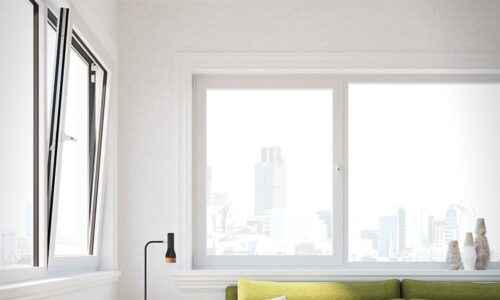
Turn function
From the closed position, turning the handle the other way, allows the opening vent to open inwards from the side, like a window or door.

The exact handle positions can vary slightly depending on the system and hardware brand, so always ask your supplier to demonstrate the operation before ordering.
Why choose aluminium tilt and turn windows?
Tilt and turn windows are available in uPVC, timber, hybrid materials and aluminium. This article focuses on aluminium windows specifically.
Aluminium is particularly well suited to tilt and turn windows because of its strength, slim sightlines and suitability for larger openings. It can support larger sashes, cleaner designs and more contemporary elevations than many other materials.
The main benefits include:
- Secure ventilation
- Easy cleaning from inside
- Larger opening sash sizes
- Good weather sealing
- Strong security
- Modern styling
- Suitability for apartments and upper floors
- A cleaner external appearance with hidden sash options
- Good compatibility with fixed glazing and larger screens
Tilt and turn windows are not simply a different type of opening window. They change how a window can be used.
Are tilt and turn windows better than casement windows?
Tilt and turn windows can be better than standard outward-opening casement windows where secure ventilation, easy cleaning and larger opening sashes matter. They are particularly useful where outward-opening windows are awkward or may pose problems in use or when open. This can include upper floors, apartment blocks, balconies, walkways, contemporary homes and rooms where you want to ventilate without fully opening the window.
However, tilt and turn windows are not automatically better for every home. They open inwards, so you must consider curtains, blinds, shutters, furniture, taps, kitchen worktops and window boards. If the room layout does not suit an inward-opening sash, a standard casement window may be more practical.
A tilt and turn window is often the better product technically, but it still has to suit the room.
Where aluminium tilt and turn windows work best
Aluminium tilt and turn windows are especially useful in the following situations.
Contemporary and new build homes.
Modern homes often use larger glass areas, cleaner lines and fewer frame divisions. Aluminium tilt and turn windows suit this type of architecture very well.
The inward-opening design avoids projecting sashes on the outside of the building and can create cleaner elevations.
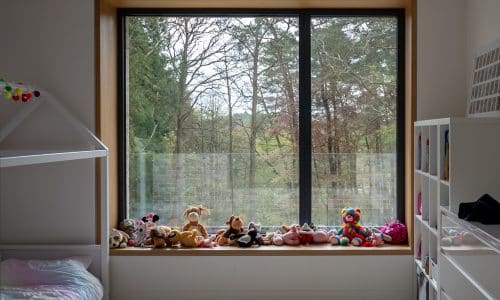
Apartments and upper floors
Tilt and turn windows are excellent for apartments and upper floor rooms.
The tilt function provides secure ventilation. The turn function allows easier cleaning from inside the property. This is one reason they are widely used in Europe and on many multi-storey buildings.

Bedrooms
Bedrooms benefit from controllable ventilation. The tilt position allows air into the room without fully opening the window. This is particularly useful in single-storey homes where bedrooms are on the ground floor and you may want the reassurance of secure ventilation through a limited opening, rather than a fully open casement window.
However, if the window is required for escape, the clear opening size and Building Regulations requirements must be checked.
Do not assume every tilt and turn window automatically satisfies escape requirements.
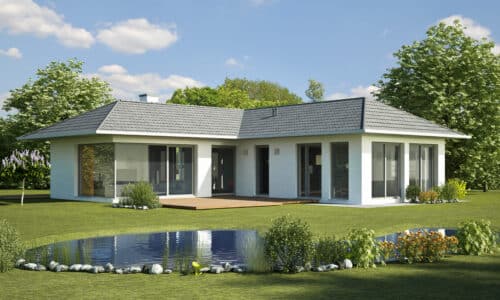
Juliet Balconies
Tilt and turn windows can be an excellent alternative to inward-opening French doors behind a glass or metal Juliet balcony.
Because they can be made up to door sizes, you get the added benefit of tilt back for ventilation without always having to open the doors.
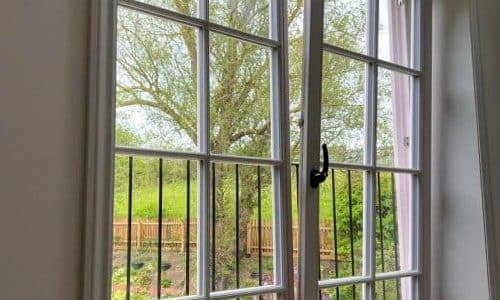
Roof Terraces and Flat Roofs
Some aluminium tilt and turn systems can be used in larger, door-like sizes, making them suitable for access onto roof terraces, balconies or flat roof areas where the specification allows.
The benefit is that you get both full opening access and tilt-back ventilation from the same product. Premium systems such as Schüco, Alumil and others may also offer lower threshold options, subject to system, drainage and Building Regulations requirements.
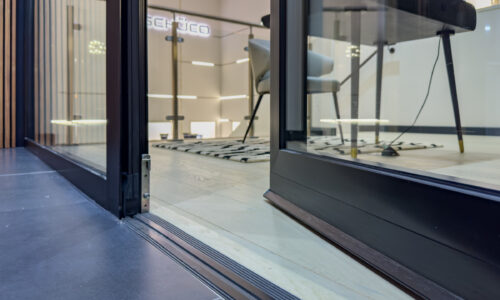
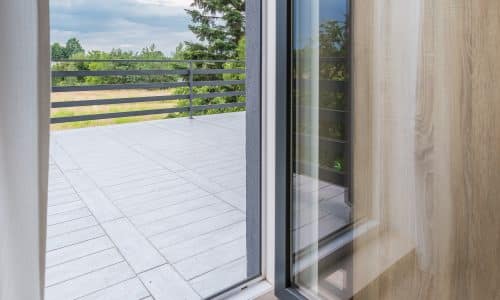
Larger window openings
Aluminium is a strong material and is therefore capable of creating larger opening sashes than other materials.
The average tilt and turn window can go up to 1.5m wide or 2.1m high, depending on the brand. Maximum sizes depend on sash width, height, glass weight, wind loading, hardware limits and installation location.
Where a tilt and turn window is next to a fixed window, a well-designed system can make the entire window look more like fixed glazing and a neater, consistent appearance.

Where tilt and turn windows may not be right
Tilt and turn windows are not right for every property and it is the inward opening function that needs consideration and whether it will work with your room.
You need to consider:
- Curtains and blinds
- Furniture location
- Kitchen or bathroom taps
They can also cost more than standard casement windows because the hardware is more complex. Another issue with tilt and turn windows is people not being familiar with how they operate. Many UK homeonwers are more used to outward-opening casements. Tilt and turn windows need proper demonstration. Poor fitting and adjustment can affect operation, sealing and long-term reliability.
If you are plannig tilt and turn windows in a rental or holiday property it is worth demonstrating the windows or leaving instructions on how they work.
Best aluminium tilt and turn windows at a glance
There is no single best aluminium tilt and turn window for every project. Most leading aluminium systems companies offer tilt and turn options, but different products suit different priorities. The right choice depends on what matters most: price, appearance, sash size, hidden sash styling, installer availability or premium engineering.
| Category | What to look for | Brands to consider |
|---|---|---|
| Best for most homeowners | Good availability, sensible pricing, proven performance and reliable hardware | Smart Systems Alitherm 400, AluK 58BW TBT HI, Exlabesa, Jack Aluminium |
| Best for contemporary homes | Slim sightlines, clean external appearance and good design flexibility | Schüco, Reynaers, Cortizo, Alumil, Decalu |
| Best hidden sash tilt and turn | Opening sash concealed from outside for a cleaner elevation | Glideline GT70, Cortizo hidden sash systems |
| Best for large sash sizes | Strong profiles, heavy-duty sash options and higher quality hardware | Schüco, Reynaers, Alumil, Cortizo |
| Best value option | Practical system, competitive pricing and wide installer availability | Smart Systems, AluK, Origin, Cortizo, Jack Aluminium |
| Best premium option | Refined hardware, larger size capability, bottom profile or threshold options and architectural appeal | Schüco, Reynaers, Alumil, Cortizo |
| Best for apartments | Secure ventilation, inward cleaning and restricted turn opening options, built to a set specification. | Schüco, Reynaers, Alumil, Cortizo |
Standard sash vs hidden sash tilt and turn windows
Standard aluminium tilt and turn windows usually show the opening sash clearly from outside. This is perfectly normal and often the most cost-effective option.
Hidden sash tilt and turn windows are designed so the opening sash sits behind the outer frame when viewed externally. This gives a cleaner appearance and helps opening windows look more like fixed glazing.
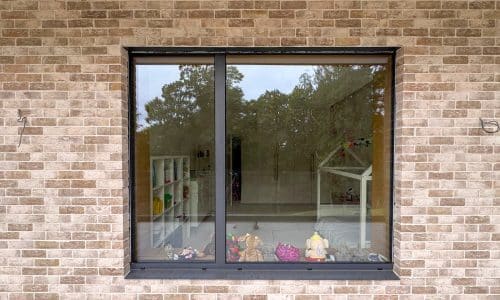
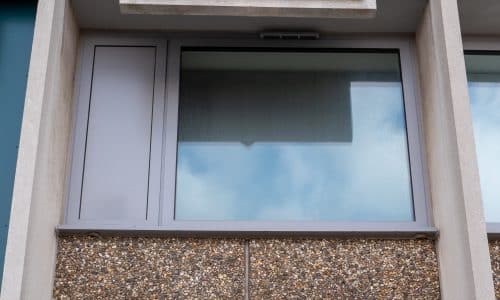
The hidden sash option is usually more popular on contemporary homes, large screens and elevations where fixed and opening windows sit together. Standard sash versions often make more sense where budget, availability and straightforward replacement work matter more.
Best aluminium tilt and turn windows for most homeowners
For most homeowners, the best tilt and turn window is not necessarily the most expensive system. Availability matters. So does price. So does installer choice. A good aluminium tilt and turn window for most homes should provide strong thermal performance, secure locking, good weather sealing, sensible sightlines and a reliable hardware system.
Consider products such as Smart Systems Alitherm, AluK 58BW TBT HI, Exlabesa and Jack Aluminium tilt and turn windows. They provide the tilt and turn function without necessarily moving into the highest price brackets.
These products are particularly suitable for standard replacement projects, home renovations and extensions where homeowners want tilt and turn functionality but still need sensible value. Glass specification, hardware, colour, sightlines, trickle vents and installation quality all matter.
Best aluminium tilt and turn windows for contemporary homes
Contemporary homes often benefit most from aluminium tilt and turn windows. This is where design, proportion and sightlines become more important.
Products from brands such as Schüco Reynaers, Cortizo, Alumil, Decalu and similar architectural aluminium systems are often better suited to design-led projects. They usually offer a more refined appearance, larger sash capability, stronger specification options and greater flexibility across matching fixed glazing, doors and screens. The profile options are also greater rather than one sash option.
For a contemporary new build or architect-designed extension, the best tilt and turn window is usually the one that works with the whole elevation. That is why sightlines, hidden sash options and matching fixed frames matter.
Best hidden sash aluminium tilt and turn windows
Hidden sash tilt and turn windows are one of the most attractive aluminium window options currently available.
With a hidden sash design, the opening sash is concealed behind the outer frame when viewed from outside. This makes the window look much more like fixed glazing. Your opening windows do not obviously look like opening windows.
This creates a cleaner external appearance, especially on contemporary homes where fixed and opening units sit next to each other.

Glideline’s GT70 tilt and turn window, based around a Cortizo hidden sash platform, is a good example of this type of product. It offers the functionality of a tilt and turn window with a much cleaner external appearance than many standard casement designs.
Best aluminium tilt and turn windows for large sash sizes
One of the reasons homeowners consider aluminium tilt and turn windows is the ability to create larger opening sashes and most brands go up to standard door heights or beyond. In these project types, specification of the entire window matters. Large tilt and turn windows place more strain on the hinges, gearing and frame than smaller windows. The heavier the glass, the more important the hardware becomes. Heavy duty sashes, hardware and combined weight all need calculating beforehand,
If you want large aluminium tilt and turn windows, pay attention to:
- Maximum sash width or height
- Maximum sash weight
- Glass thickness and weight
- Location such as exposed coastal or high level locations
- Restrictor options for high level apartment buildings
- Installation location generally
Systems from premium aluminium brands such as Schüco, Reynaers and Alumil are often better suited to larger sash sizes, subject to the specific product, hardware and project conditions.
Best value aluminium tilt and turn windows
Value does not mean cheapest. A good value aluminium tilt and turn window should provide reliable operation, good security, compliant thermal performance, sensible sightlines and availability through competent manufacturers and installers.
Mainstream aluminium systems are often strong here because they are widely used, well understood and available from several suppliers. This can make them easier to quote, easier to compare and easier to support long term. For many homeowners, this matters more than chasing the most premium system on the market. A well-made, well-installed mid-range tilt and turn window will usually be a better purchase than a premium system badly made or poorly fitted. Consider widely available brands such as Origin, Smart Systems, Aluk and Cortizo.
Best Premium Tilt and Turn Windows
If you are looking at premium brands, Schuco, Reynaers, Alumil and Cortizo all offer a selection of tilt and turn windows. These are more customisable offer a low threshold option when used at door sizes and can come with enhanced specifications such as automatic closing and locking, sensors and heavier-duty hardware and profiles if required.
Best Tilt and Turn Windows for Apartments
For architects or developers building high level apartments, the window specification needs careful consideration to meet both functional and safety requirements.
Schuco, Reynaers and Alumil brands are internationally used in high-level apartments and have proven themselves over many years. These brands and others can help architects and developers with the correct specification, fire safety and other compliance requirements.

Tilt and turn window security
Tilt and turn windows can be very secure, because the gearing runs around the entire sash rather than just where the handle is located. This helps pull the sash tightly into the frame and provides multiple locking points.
The tilt position also gives secure ventilation because the opening gap at the top is limited. Most products have been tested to the latest security standards such as PAS 24 and will meet Document Q specifications for new build homes.
Do not assume because a website or brochure shows a PAS 24 or Secured by Design badge that your window has this accreditation. You need to specifically ask for it. In most cases this will involve laminated glass or an alternative type of handle and the same specification as the window model tested.
Some premium systems by Schüco can also include additional security features, sensors or enhanced locking options. For ground floor windows, accessible windows and new build projects, security specification should be confirmed before ordering.
Are tilt and turn windows energy efficient?
Yes, modern aluminium tilt and turn windows are energy efficient, depending on the glass specification chosen. All frames are thermally insulated and high performance double or triple glazing ensures your windows meet Part L of Building Regulations for new build or replacement window projects.
As a minimum, you should expect modern double glazing with:
- Soft-coat low-emissivity glass
- Warm edge spacer bars
- Argon gas fill
- Good perimeter seals
- Correct installation
Triple glazing is also available with many aluminium tilt and turn systems, although it increases glass weight. Always get clarification on the entire window U-Value and do not accept just the glass centre pane U-Value, they are not the same thing.
What are tilt and turn window restrictors?
Restrictors limit how far the window can open. They are commonly used for safety, particularly in upper floor rooms, high level apartment buildings and children’s bedrooms.
Some restrictors limit the turn opening. Others provide controlled ventilation. Some can be overridden for cleaning or emergency access, depending on the design and specification. Restrictors should be discussed at quotation stage, not added as an afterthought. If a window needs to meet safety, ventilation or escape requirements, the restrictor type and operation matter.
Are aluminium tilt and turn windows more expensive?
Aluminium tilt and turn windows normally cost more than standard aluminium casement windows because the hardware is more complex and the window has two opening functions.
Hidden sash designs, larger sizes, triple glazing, premium handles, special colours and high-end systems can increase the price further.
However, the additional cost can be worthwhile where the benefits matter.
Secure ventilation, easy cleaning, larger sash sizes and a cleaner appearance can all justify the extra spend on the right project.

Which brands make aluminium tilt and turn windows?
Most major aluminium systems companies offer tilt and turn windows.
Examples include:
- Schüco
- Reynaers
- Cortizo
- Smart Systems
- AluK
- Alumil
- Deceuninck Aluminium
- Exlabesa
- Origin
- Jack Aluminium
- Other specialist aluminium manufacturers and systems companies
Some products are designed mainly for residential use. Others are designed for commercial applications or specific architectural systems. A product designed for larger commercial openings may offer strength and size capability, but may not always be the most cost-effective choice for a standard house. A mainstream residential system may offer better value but may not suit a large contemporary project.
Should you choose aluminium tilt and turn windows?
Aluminium tilt and turn windows are a very good idea when the design suits the room and the property. They offer the best of both worlds with ventilation and full window opening for cleaning maximum ventilation.
They are especially worth considering if you:
- Do not mind them opening inwards
- Want larger opening windows
- Prefer a cleaner external appearance, with no mullions or transoms
- Need windows for upper floors or apartments
- Like the idea of doors and windows that match
- Prefer hidden sash design options for a more frameless and mnimal look.
Tilt and turn windows are highly practical, but they are also more dependent on good hardware, good manufacturing and good installation than a simple casement window. We always recommend viewing these and seeing more than one brand to compare their differences.
More information on aluminium tilt and turn windows
Tilt and turn windows are still underused in the UK, but they deserve serious consideration. They offer secure ventilation, easy cleaning, strong weather sealing and excellent design flexibility. In aluminium, they also provide slimmer frames, larger sash capability and a more contemporary appearance than many other window materials. The right product depends on your property, budget, opening sizes, glass specification and whether you want a standard or hidden sash design.
If you are comparing aluminium tilt and turn windows and would like impartial advice, get in touch. We can usually explain which systems are worth considering, what the differences are and whether tilt and turn windows are right for your home. Our advice is free, impartial and independent.
Frequently Asked Questions about tilt and turn windows
Which is better, tilt and turn or casement windows?
Neither is better than the other, they are just have a different way of opening. Tilt and Turn windows always create bigger opening windows, can be made up to virtually the size of a door and offer an easy way to clean the outside pane of glass from inside.
Do tilt and turn windows and doors open inwards or outwards?
They are designed to only open inwards.
Are tilt and turn windows more expensive?
Tilt and turn windows cost a little more than casement windows, but it does depend on the brand and the quality.
Can I have a tilt and turn window with blinds and screen?
Yes. Tilt and turn windows can have integral blinds. Some of the more premium brands like Schüco, Alumil and Interorm also provide their own integrated blind system that is significantly better then integral blinds. Flyscreens are also available if required.
Where can I find tilt and turn windows and doors near me?
If you need some help finding an installer – please get in touch with us, we will be happy to advise.
What are the disadvantages of tilt and turn windows?
These windows are not designed to be the slimmest windows so will be a little thicker than casement windows. But their functionality, quality and bigger size capability is their advantage. As these open inwards, you may not want them to interfere with curtain or blinds.
Can tilt and turn windows be used as fire escape windows?
They can be, but only if the clear opening size and specification meet the relevant requirements. Always ask your installer to confirm this before ordering.
What is a hidden sash tilt and turn window?
A hidden sash tilt and turn window conceals the opening sash behind the outer frame when viewed from outside. This gives the window a cleaner appearance and helps opening windows look more like fixed glazing. They are worth considering where appearance matters. Hidden sash windows are particularly good for contemporary homes, fixed-and-opening window combinations and clean architectural elevations.
Are aluminium tilt and turn windows secure?
Yes, when correctly specified. Many have multi-point locking around the sash and can be specified with PAS 24 security testing, locking handles and laminated glass where required.