
Most window categories are defined by how they open and function. Casement windows open on hinges. Tilt and turn windows open in two different ways. Pivot windows rotate around a central point. Architectural windows are different. They are defined by their shape, size and relationship with the building itself.
An apex window follows a roofline. A gable window fills an entire elevation. A curved bay window wraps around a façade. In each case, the glazing is designed around the architecture rather than selected from a standard range of window sizes. Architectural, gable and Apex windows fall into this specialist category.
This is one area where aluminium excels. Its strength and flexibility allow architects, designers and homeowners to create glazing designs that would be difficult or impractical using many other materials.
What Are Architectural Windows?
Architectural windows are bespoke glazing installations designed to complement the shape and character of a building.
Unlike standard window styles, they are not defined by their opening method but by their geometry. The window is created to suit the building rather than the building being adapted to suit the window.
Many architectural windows are fixed because their primary purpose is to maximise daylight, create views and make a visual statement. Others incorporate opening sections where ventilation is required, often without compromising the overall appearance of the design.
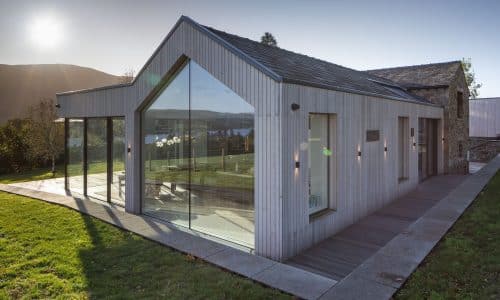
Gable and Apex Windows
Gable and apex windows are among the most popular forms of architectural glazing in the UK.
Both follow the pitch of a roof, creating dramatic glazed areas that bring natural light deep into a building. Whilst the terms are often used interchangeably, gable glazing usually describes a larger installation occupying most or all of a gable end wall, whereas an apex window often refers to the triangular section itself.
These windows are particularly common in barn conversions, oak-framed buildings, contemporary extensions and self-build homes. They are also frequently used in coastal and rural properties where homeowners want to make the most of views and natural light.
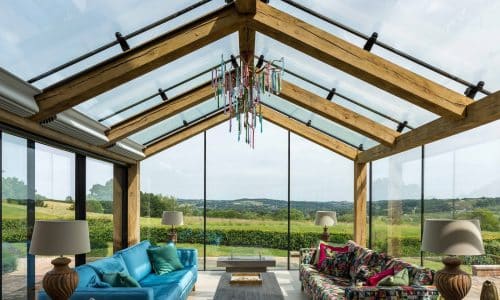
Architectural Windows
In many contemporary homes, the architectural glazing becomes one of the defining features of the property. Many installations combine fixed glazing with sliding doors or bifold doors below, creating an almost continuous wall of glass that follows the roofline all the way to the ridge.
In reality, many of the most successful installations are predominantly fixed. Fixed glazing is generally more thermally efficient, less expensive and capable of accommodating larger panes of glass than opening windows. It also reduces visible framing and allows cleaner sightlines.
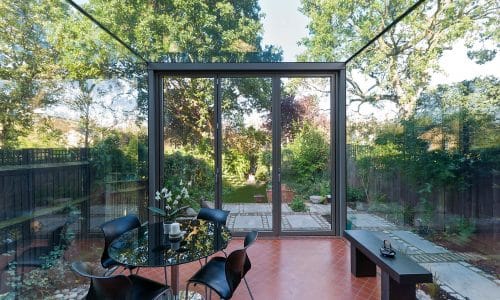
Fixed or Opening?
One of the biggest misconceptions surrounding apex and gable glazing is that every section needs to open. Where ventilation is required, opening windows are usually incorporated into the lower sections of the design. This allows the upper triangular glazing to remain fixed whilst still providing practical day-to-day ventilation.
Modern aluminium systems also allow casement, tilt and turn, parallel opening and other specialist window types to be integrated into larger architectural glazing arrangements.
Arched, Circular and Bespoke Shapes
Aluminium can be fabricated into a wide variety of bespoke shapes including arches, circles, ovals, trapezoids and complex geometric designs. These windows are often specified where a standard design would look awkward or fail to complement the architecture.
Some are designed to follow unusual rooflines. Others are used to introduce additional daylight into stairwells, hallways and vaulted spaces. In many projects, these shaped windows become distinctive architectural features in their own right.
What makes them possible is aluminium’s ability to be accurately fabricated whilst maintaining the strength needed to support modern double and triple glazing.
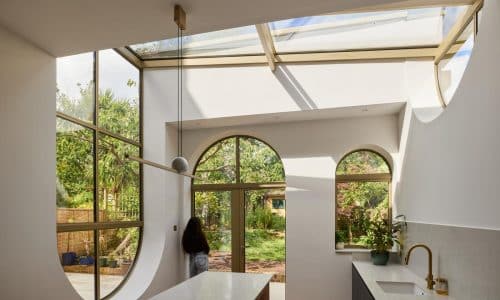
Bay Windows and Feature Glazing
Whilst apex and gable windows follow straight rooflines, curved glazing creates a completely different architectural effect.
Advances in aluminium fabrication now allow frames to be bent into gentle curves or more dramatic radius designs. These windows are often specified where the architecture demands something softer and less angular than conventional glazing.
Curved windows are commonly found in contemporary homes, bespoke architectural projects and high-end renovations. They are also increasingly used to recreate traditional bay windows using larger areas of glass and slimmer framing than was previously possible.
A true curved window creates a continuous sweep of glazing that immediately attracts attention and often becomes one of the defining features of the building.

Horizontal sliding windows
Horizontal sliding windows are a specialist category gaining real momentum in the UK as contemporary homes move towards larger, uninterrupted opening elements rather than smaller individual windows.
Unlike a casement, which swings open on hinges, a horizontal slider moves sideways within its own frame, and that difference in operation has historically defined both its appeal and its limitations.
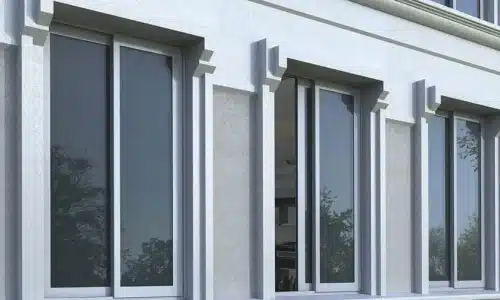
Sliding windows are not generally chosen as a default window type but for what they enable that a casement cannot. They allow larger uninterrupted glazed areas since no swing clearance is needed, they give a consistent sightline where a project already specifies large sliding or lift and slide doors on the same elevation, and they work well in restricted spaces such as above worktops or near walkways where an outward opening sash would be impractical.
The category is dominated by the major European systems companies who also supply the UK sliding door market, since the window is generally a cut down version of a door. Schüco, Reynaers, Cortizo and Alumil are the main systems behind the sliding windows found across the UK, alongside independent UK brands such as Sunvista and Skyglaze, who typically fabricate from one of these major systems under their own branding.
Worth noting for specification that a horizontal slider only opens to roughly half its total width, so where ventilation matters more than glazed width a casement remains the more efficient choice, and performance varies by manufacturer and system rather than being a fixed limitation. Depending on the size, you can get horizontal sliding windows in two, three or four panels.
Bifolding Windows
Bifold windows work like folding sliding doors, essentially bifold doors cut down to window size.
Once more commercially orientated and found in hotels, restaurants and trade counters, they are now popular in modern home extensions as an alternative to traditional opening outwards windows.
They can fold in one or two directions, open in or out, and are fully bespoke in colour, handles and glass, often used to complement a bifold door elsewhere on the property for a consistent look throughout.

Aluminium gives the slimmest sightlines, particularly at the mullions, while timber offers warmth and longevity with modern coatings reducing the maintenance concerns it is often unfairly associated with. PVCu is the most affordable option but expands considerably more than aluminium, making it less suitable on exposed south or west elevations, and always gives thicker sightlines. Leading systems include Sunflex SF75 eco, Alumil MF65, the slimmest, Schüco AS FD 75 and Origin. There is also the slide and turn version from Frameless Glass Curtains.
Why Aluminium Works So Well for Architectural Gable and Apex Windows
Most architectural glazing relies on aluminium because of its exceptional strength-to-weight ratio. Large glass units place considerable loads on a frame. Add unusual shapes, steep roof pitches or curved sections and those engineering challenges become even greater. Aluminium allows larger spans and more complex geometries whilst maintaining the structural performance required for long-term durability.
Importantly, many architectural windows are not manufactured from specialist systems. A gable window, apex window or shaped window is often created using the same profiles found in a manufacturer’s standard casement range. The difference lies in how those profiles are cut, fabricated and assembled to suit a bespoke opening.
This flexibility is one of the reasons aluminium has become the material of choice for architectural glazing.
Architectural Windows Are About The Building
Standard casement, flush and steel-look aluminium windows answer the question of how a window opens and how it looks up close. Architectural glazing answers a different question entirely. It influences how a building is experienced as a whole.
Whether it is a floor-to-ridge gable installation, a dramatic apex window, a curved bay or a bespoke geometric design, these windows are rarely just about filling an opening. They are designed to work with the architecture itself.
The best examples do more than bring light into a room. They help define the character of the home.

More information on Architectural Windows and Specialist Installers for your Project
Architectural glazing is rarely the domain of the average window and door company. Whilst many firms can supply and install standard windows and doors, apex glazing, gable installations, curved windows and large bespoke designs often require a very different level of expertise.
These projects frequently involve close collaboration between homeowners, architects, structural engineers, designers and specialist glazing companies. Glass specification, structural supports, wind loading, solar gain, installation access and frame engineering all become important considerations long before the windows are manufactured.
The best architectural glazing companies understand far more than the window itself. They understand how glazing integrates with the building structure, how large glass units behave, how steelwork and support systems interact with the glazing design and how to achieve the desired appearance without compromising performance.
If you are considering an architectural glazing project, choosing the right specialist is often just as important as choosing the right product. A well-designed gable window, apex installation or bespoke shaped glazing feature should feel like part of the architecture rather than an addition to it. Achieving that result requires experience, technical knowledge and a thorough understanding of both glazing systems and building design. Contact us for help with your project.