
Aluminium sliding sash windows are available, but they remain one of the more specialist window types in the aluminium market.
There are many aluminium casement windows, tilt and turn windows, flush casements and steel look systems. Sliding sash windows are different. The product choice is much smaller, and aluminium sliding sash windows are not d esigned to replicate a traditional timber box sash window.
If you want the most authentic replacement for original timber sash windows, aluminium is not always the first material we would recommend. Timber remains the benchmark, and premium uPVC sash windows often do a better job of recreating traditional sash details.
However, aluminium sliding sash windows still have a place and products do exist within the general range of aluminium windows.
They offer slim frames, low maintenance, durable powder coated finishes, good thermal performance and the ability to work in projects where a vertical sliding opening is useful. They can also suit buildings where outward-opening windows are unsuitable, where a more modern appearance is acceptable, or where aluminium is preferred for durability, colour choice or project consistency.
This guide explains what aluminium sliding sash windows are, where they work, where they may not be the best choice, and which products are worth considering.
What are aluminium sliding sash windows?
Aluminium sliding sash windows are vertically sliding windows made from aluminium frames. They usually have two sashes. One sash slides upwards and the other can slide downwards, depending on the product design. Some systems also allow the sashes to tilt inwards for cleaning.
Traditional timber sash windows work with cords, pulleys and weights hidden inside a box frame. Modern aluminium sliding sash windows usually use spring balances, by companies such as Caldwell Hardware, or similar sash balance mechanisms instead. These balances hold the sash securely in position and allow the window to be opened partly or fully without the sash dropping under its own weight. The result is a window that provides the appearance and function of a vertical slider, but with the modern benefits of aluminium.
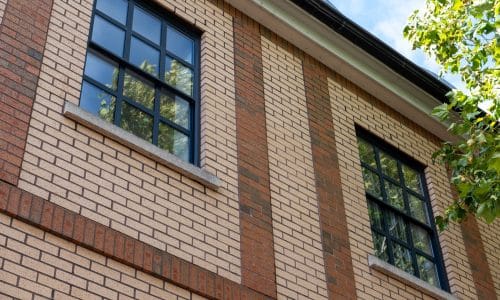
Are aluminium sliding sash windows the same as timber sash windows?
No. This is where homeowners need to be careful. A traditional timber sash window has a very specific appearance. It usually includes deep bottom rails, slim meeting rails, timber mouldings, sash horns, putty-line glazing, traditional furniture and a box frame appearance.
Presently, there are no aluminium sash windows designed to recreate this period appearance. They are more flatline and standard in overall styling. Aluminium has its own strengths for all sorts of windows and doors, but traditional sash styling is not always one of them.
Why are there fewer aluminium sliding sash windows?
The aluminium window market is strongest in casement windows, tilt and turn windows, contemporary glazing, steel look products, bifold doors and sliding doors. Sliding sash windows are a more niche product.
The reason is partly market demand. Homeowners replacing original sash windows usually look at timber, uPVC or timber alternative products first. Those materials already have strong product ranges designed around period styling.
Aluminium sash windows tend to sit in a smaller part of the market and today this is as a replacement for the dated original sash windows or in commercial buildings. That does not make aluminium sash windows bad, although any sliding window will use fitch catches and a simplified locking system that is usually regarded as less secure. That does not mean they are easy to break into – merely that the windows lock in a different way.
As with all windows, the system name is only part of the story. Manufacturing quality, correct glass weight, accurate survey, installation and final adjustment all affect how well the window performs.
Flats and apartments
Sliding sash windows can be useful in flats and apartments because they do not project inwards or outwards in the same way as casement or tilt and turn windows.
This can make them practical where space is limited, where external projection is undesirable, or where a building needs a consistent window style across several floors.
Schools, hotels and commercial buildings
Aluminium is widely used in commercial and high-occupancy buildings because it is durable, low maintenance and available in robust specifications. A vertical sliding aluminium window can make sense where outward opening vents are unsuitable or where a safe, controlled opening is required.
Buildings originally fitted with aluminium sliding windows
They were installed a lot in the 1970s and 1980’s as simple sash windows and many of these are working still in apartments buildings and houses. Some older buildings were originally fitted with aluminium sliding windows rather than timber sash windows. In these cases, a modern aluminium sliding sash or sliding window can be a more logical replacement than trying to create a timber-style appearance.
Where timber or uPVC sash windows may be better
Aluminium sliding sash windows are worth considering, but they are not always the best choice for traditional sash window replacement.
If the aim is to replicate original Georgian, Victorian or Edwardian timber sash windows, timber remains the benchmark. A well-made timber sash window can provide the correct proportions, mouldings, joints, horns, furniture and period detailing in a way aluminium rarely matches.
Premium uPVC sash windows can also be very convincing. Products from specialist manufacturers such as Masterframe, Roseview and others offer sash horns, woodgrain finishes, deep bottom rails, slim meeting rails, traditional locks and period-style hardware. For many homeowners, these products provide a closer visual match to timber sash windows than most aluminium alternatives.
This does not mean aluminium sash windows are poor products. It simply means they are different. Aluminium makes more sense where low maintenance, colour choice, durability, modern styling, non-projecting openings or project consistency matter more than perfect period authenticity.
That is the honest comparison. Choose aluminium when its strengths suit the building. Choose timber or premium uPVC when traditional sash detail matters most.
Aluminium sliding sash windows at a glance
The aluminium sliding sash market in 2026
There are two aluminium vertical sliding systems available in the UK. The Smart Systems VS600, which is also sold as the Duration VS Plus — the same window under a different name. And the Technal Dualslide, which is a commercial and architectural product rather than a homeowner one.
That is the entire market. Any company offering you an aluminium sash window is offering you one of these two.
Energy Efficiency Considerations with sliding sash windows
Modern aluminium sliding sash windows can provide good thermal performance, but the published information is not always as clear as it is with standard casement windows. This is one of the challenges with this product type. Some manufacturers publish Window Energy Ratings rather than clear whole-window U-values. Others provide figures that depend on the glass specification, window size, opening type and project requirements. This makes direct comparison harder for homeowners.
The Smart VS600 is usually quoted with a U-value around 1.6 W/m²K, although different sources show different Window Energy Ratings. That is why we recommend confirming the latest current performance figure directly with Smart or the manufacturer supplying the window before ordering.
For Duration VS Plus, we would also advise checking the current U-value directly with Duration or the company providing the quotation. These are specialist aluminium sash products, and the final performance can depend on the exact window, glass and specification being supplied.
Technal Dualslide is more of a commercial and architectural sliding window system. It is usually specified project by project rather than sold with a simple homeowner-facing energy rating. In this case, your installer, contractor or specifier should provide the relevant U-value information for your specific project.
Do not assume every aluminium sliding sash window automatically meets the requirements for your home, especially on new build projects. Ask for the whole-window U-value, not just the glass centre pane value, and make sure the figure relates to the actual product, size and glazing specification being quoted.
Smart Systems VS600 aluminium sash windows
The Smart Systems VS600 is one of the better known aluminium vertical sliding sash windows available in the UK. It is designed to provide a vertical sliding window with the benefits of aluminium, including durability, low maintenance, modern thermal performance and extensive colour options.
VS600 is often used in residential, commercial and high-occupancy buildings where a vertical sliding opening is required. It is not a replica of a traditional timber sash window, but it offers a practical more modern aluminium solution for projects where the sliding function, flush operation and low maintenance finish matter.
For homeowners who want an aluminium sash window from a widely used UK systems company, Smart VS600 is one of the main products to consider.
The Duration VS Plus is the identical product, but rebranded.
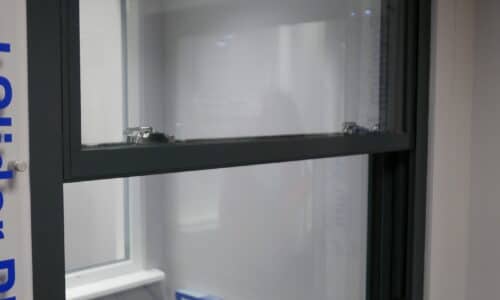
Technal Dualslide aluminium sliding windows
Technal Dualslide is best described as a commercial and architectural aluminium vertical sliding window rather than a traditional timber-look sash replacement. It is designed for projects where safety, controlled opening and ease of cleaning matter, including schools, education buildings, ground floor locations and glazed façades where projecting opening windows may be unsuitable.
The system uses vertical sliding sashes with an inward tilt facility, allowing the external glass to be cleaned from inside the building. Developed with Caldwell hardware, it offers a maximum sash weight of 50kg and sizes up to 1500mm wide by 2300mm high, making it suitable for larger commercial-style openings. It also accepts 28mm sealed units and can achieve U-values around 1.6W/m²K with a WER B rating.
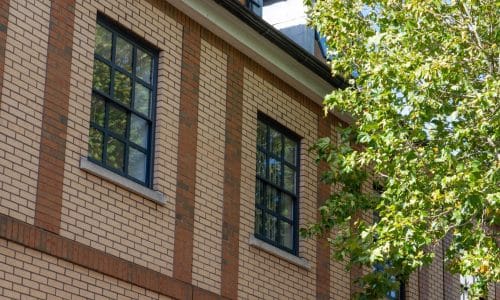
For homeowners, Technal Dualslide is unlikely to be the first choice if the aim is to replicate traditional Victorian or Edwardian sash windows. Its strength lies more in robust aluminium construction, practical operation, safety, security and use in commercial or multi-occupancy buildings where a non-projecting vertical slider makes sense.Are aluminium sash windows suitable for conservation areas?
No. Conservation areas and listed buildings are not all treated the same. Some local authorities may consider aluminium sash windows if the appearance is suitable and the property is not listed. Others may require timber or a closer match to the original windows.
For listed buildings, timber is usually the most likely material to be accepted where original sash windows are being replaced. Aluminium may be more difficult to justify unless the building originally had aluminium windows, or unless the planning authority accepts the proposed design. Before ordering aluminium sash windows for a conservation area, always speak to your local planning authority or conservation officer.
You may need:
- Detailed drawings
- Section details
- Colour information
- Sample frames
- Sightline information
- Glazing bar details
- Evidence of how the new windows compare with the originals
Do not rely only on a salesperson telling you the windows are “suitable for conservation areas”. Planning approval is project-specific.
Are aluminium sliding sash windows secure?
Aluminium sliding sash windows can provide reasonable security, but their security design differs from casement windows.
Casement windows often use multi-point locking around the opening sash. Sliding sash windows usually rely on meeting rail locks, sash stops, restrictors, frame design and glass specification.
The lock position is often deeper inside the room, which can be helpful. However, the overall security depends on the product, hardware, glass and installation.
Where security matters, ask whether the window has been tested to PAS 24 or whether an enhanced specification is available.
For accessible windows, ground floor openings and new build projects, this should be confirmed before ordering.
Do not assume every sash window has the same security credentials as a modern casement window.
Can aluminium sash windows tilt in for cleaning?
Some aluminium sash windows include tilt-in sashes for easier cleaning. This allows the sash to tilt inwards from the frame, making it easier to clean the outside of the glass from inside the property. This is particularly useful for upper floors, flats and buildings where external access is difficult.
However, not every aluminium sash window has this feature, and the operation can vary by product. Always ask for a demonstration.
Are aluminium sliding sash windows expensive?
Aluminium sliding sash windows are usually more expensive than standard aluminium casement windows as they use more profiles, have more detailed manufacturing and are more of a niche product.
Expect to pay around £2300 plus VAT for each window at a standard 900mm wide and 1800mm high. You can also find out how much aluminium windows cost.
Should you choose aluminium sliding sash windows?
You should consider aluminium sliding sash windows if you want:
- A vertical sliding opening
- Low maintenance aluminium frames
- Powder coated colour options
- A product suitable for flats, apartments or commercial buildings
- A non-projecting window design
- A more modern sash appearance
- Aluminium consistency across the property
- A durable alternative to older aluminium sliders
You should be more cautious if you want:
- The closest match to original timber sash windows
- Period hardware
- Woodgrain finishes
- Deep timber-style rails
- Traditional mouldings
- Listed building approval
- A highly authentic Georgian, Victorian or Edwardian appearance
This is one of the few window types where aluminium is not always the best solution.
More information on aluminium sliding sash windows
Aluminium sliding sash windows are a specialist product with fewer choices than casement or tilt and turn windows. They can work well in the right setting, especially where low maintenance, colour choice, durability and a vertical sliding opening are important. However, if your main aim is to replicate traditional timber sash windows, timber or premium uPVC may provide a more convincing result.
If you are comparing aluminium sliding sash windows and would like impartial advice, get in touch. We can usually explain which products are available, whether aluminium is suitable for your project and whether another material may be a better choice. Our advice is free, impartial and independent.
Latest Aluminium windows articles
- the best aluminium window brands in the UK September 3, 2026
- Origin OW80+ Tilt and Turn Window. First Impressions May 22, 2026
- Alternatives to trickle vents in windows and doors July 16, 2025
- Buying windows and doors online – think twice July 4, 2025
- Planning Permission for Windows: What Homeowners Need to Know March 31, 2025